Your Home's Defense Against Atlanta Humidity: A Guide to the Right Drywall and Paint
If you live in the Atlanta area, you know our summers are no joke. The heat and humidity can be relentless, and while we find ways to stay cool, our homes are constantly battling the moisture in the air. Over time, this can lead to subtle but significant problems, like peeling paint, stubborn stains, and even the beginnings of mold and mildew. These issues aren't just cosmetic; they can affect your home's air quality and structural integrity.
But don't worry, y'all. Protecting your home from the inside out is more achievable than you might think. The key lies in using the right materials in the right places. Your first and best line of defense is a combination of moisture-resistant drywall and high-quality interior paint. At Lopez Rehab & Handyman Services, we've seen firsthand how these foundational choices can make all the difference in preserving the beauty and health of a home. This guide will walk you through how to spot the signs of humidity damage and how to proactively prepare your home for the long haul.
Identifying the Telltale Signs of Humidity Damage
Before you can fix a problem, you have to know what to look for. Excess moisture doesn't always announce itself with a major leak; often, the signs are much more subtle. Being vigilant can help you catch issues early, preventing more extensive and costly repairs down the road. Here are some common indicators that humidity is taking a toll on your walls and ceilings:
- Bubbling or Peeling Paint: Have you noticed paint blistering or flaking, especially in bathrooms, laundry rooms, or kitchens? This is often the first sign that moisture is getting trapped behind the paint layer, causing it to lose adhesion.
- Dark Spots or Discoloration: Small, dark spots or yellowish-brown stains on your drywall or ceiling are red flags. These can indicate water intrusion or the growth of mildew and mold, which thrive in damp environments.
- Soft or Spongy Drywall: Gently press on areas you suspect are affected. If the drywall feels soft, damp, or gives way easily, it's a clear sign that its structural integrity has been compromised by moisture.
- A Persistent Musty Odor: Sometimes you can smell a problem before you can see it. A lingering damp or musty smell, particularly in basements or poorly ventilated rooms, often points to hidden moisture and potential mold growth within the walls.
The Foundation of Protection: Moisture-Resistant Drywall
When it comes to fighting humidity, not all drywall is created equal. Standard drywall has a paper facing that can absorb moisture, making it a food source for mold. For areas of your home that are constantly exposed to steam and high humidity, upgrading to moisture-resistant drywall is a smart investment in your property's health and value.
Often called “green board” because of its green, water-resistant paper covering, this type of drywall is specifically designed for use in damp environments. Its core is treated to prevent moisture absorption, and the paper facing is treated to inhibit mold growth. While it's not completely waterproof, it provides a crucial barrier in places like:
- Bathrooms (especially around showers and tubs)
- Kitchens (particularly as backsplashes)
- Laundry rooms
- Basements
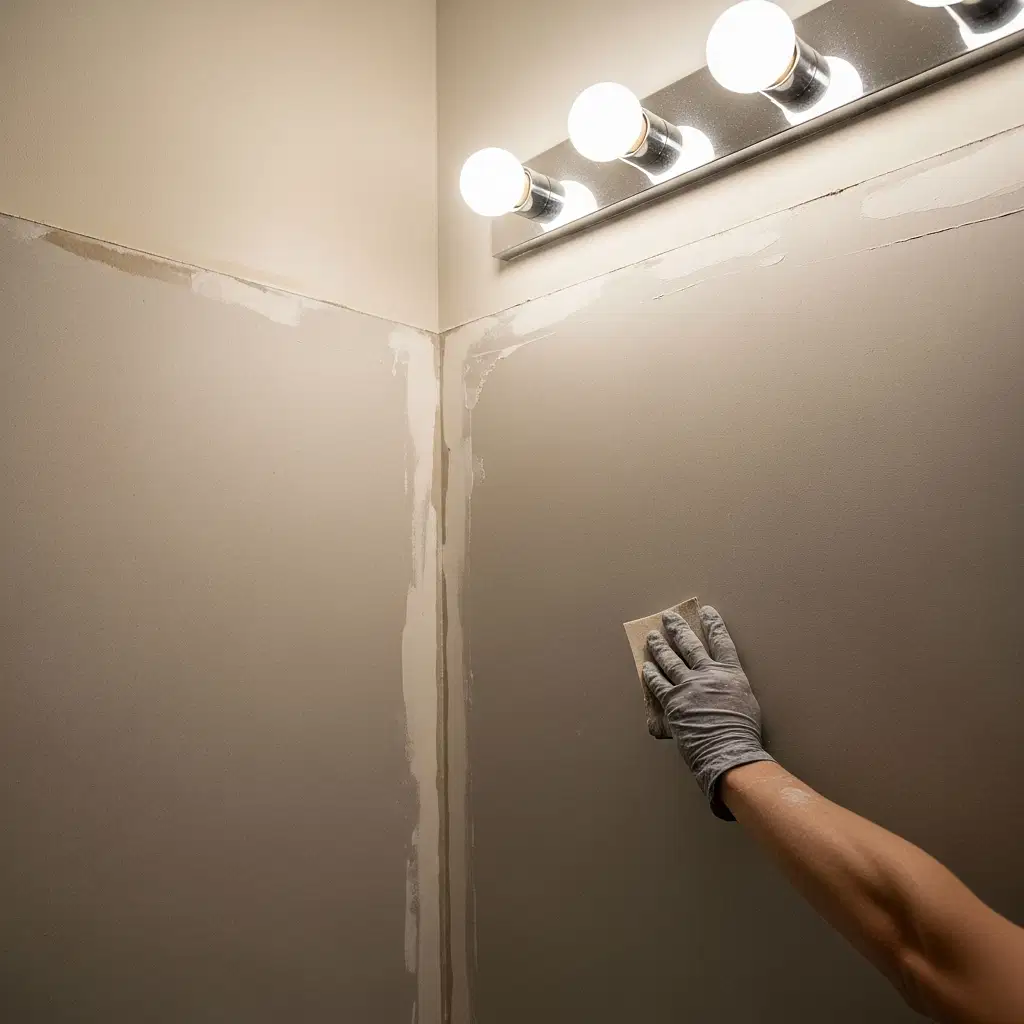
Installing the correct type of drywall is a foundational step that provides long-term protection. If you're planning a renovation or notice signs of damage on your existing walls, considering a professional drywall installation or repair with moisture-resistant materials can save you headaches and money in the future.
Sealing the Deal: Choosing the Best Paint for Humid Spaces
Once you have the right drywall in place, the final layer of defense is the paint. The right paint job does more than just add color; it creates a durable, cleanable surface that repels moisture. For high-humidity rooms, paint finish and formulation are critical.
Paint Sheen Matters: The glossier the paint, the more resistant it is to moisture. While flat or matte finishes are great for living rooms, they tend to trap moisture. For bathrooms and kitchens, consider:
- Satin: Offers a slight gloss and is more durable and easier to clean than flatter finishes.
- Semi-Gloss: A popular choice for its high resistance to moisture and excellent durability. It's perfect for walls, trim, and cabinetry in damp areas.
Look for Specialty Formulas: Many paint brands now offer products specifically formulated for kitchens and bathrooms. These paints often contain mildewcides and other additives that actively inhibit the growth of mold and mildew, providing an extra layer of protection and ensuring your walls stay fresh and clean. A professional interior painting service can help you select the perfect product and finish for your needs, ensuring a beautiful and long-lasting result.
Don't Overlook the Ceiling
Humidity rises, which means your ceilings are just as vulnerable as your walls. Stains, peeling paint, and deteriorating textures are common ceiling problems in humid homes. If you have an older "popcorn" ceiling, you may notice it flaking or yellowing more quickly in damp rooms. Addressing these issues is crucial for a complete moisture-protection strategy.
Whether it's repairing a water stain or updating an outdated look, paying attention to your ceiling is important. Modern ceiling textures can be more durable and less prone to trapping dust and moisture than older styles. A smooth, well-painted ceiling not only looks cleaner but is also easier to maintain in a humid environment.
Protect Your Atlanta Home with Professional Care
Living in Atlanta means enjoying vibrant city life and beautiful green spaces, but it also means taking extra steps to protect our homes from the persistent humidity. By being proactive—watching for the early signs of damage, choosing moisture-resistant drywall for vulnerable areas, and applying the right kind of paint—you can ensure your home remains a healthy, beautiful, and comfortable sanctuary for years to come.
If you've noticed any of the warning signs or are planning a renovation, don't leave it to chance. The team at Lopez Rehab & Handyman Services has the expertise to handle everything from targeted drywall repairs to full interior painting projects and other handyman services. We're here to help you protect your investment. Contact us today for a consultation and let's make sure your home is ready to stand up to the Georgia climate.